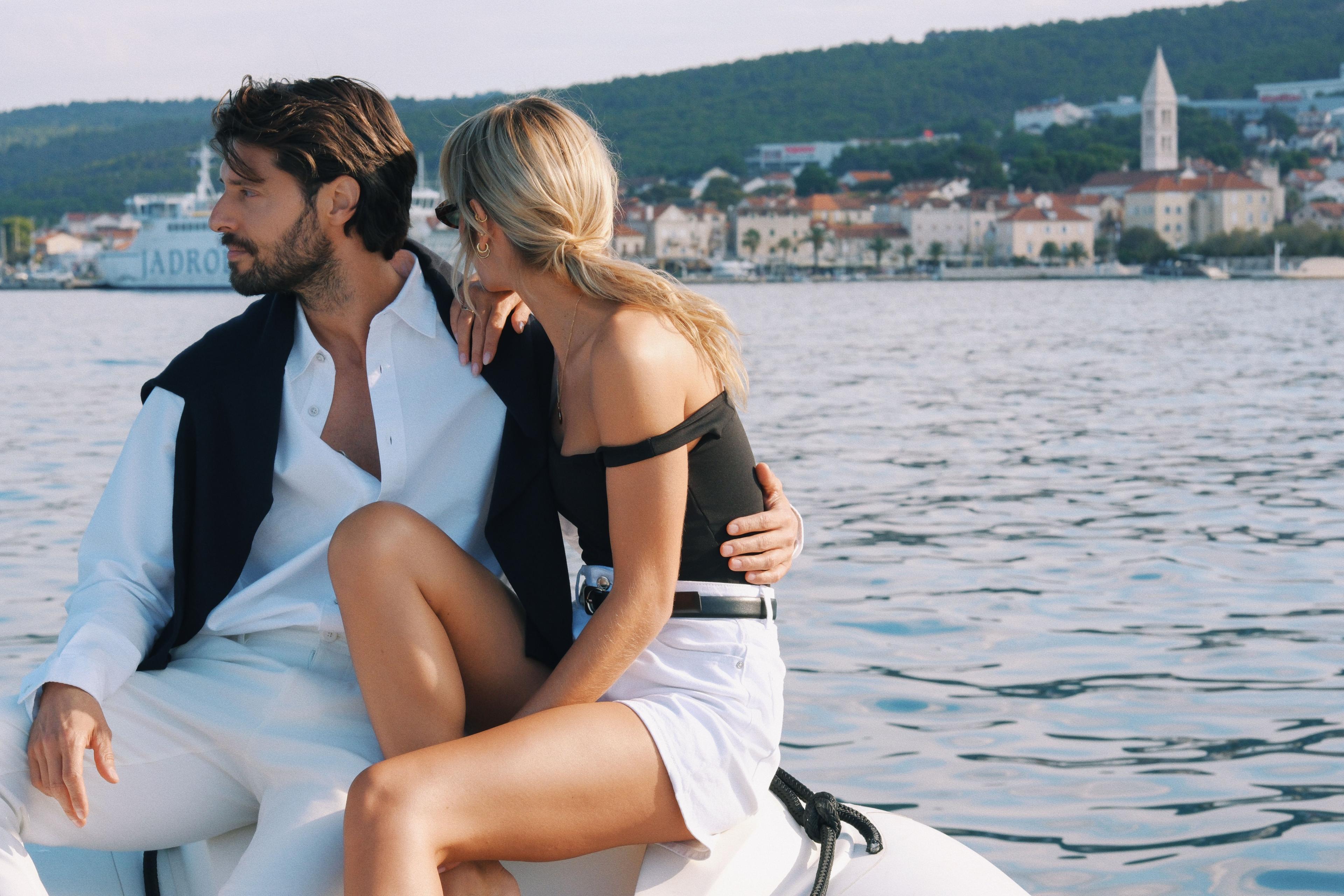
Why Split Is One of the Most Unique Places in the World
From Diocletian's Palace to the Adriatic coast, discover what makes Split truly one of a kind, and why Hotel Venturo is the perfect base.

Project co-financed by the European Union – NextGenerationEU
Learn more about the project on the EU project page.
When winter arrives in Split, the city softens rather than sleeps. The Adriatic remains calm and luminous, its surface turning silver under the pale sun. The summer rush fades away, and in its place comes a gentle rhythm that feels almost poetic. The air grows clear, the marble streets glow in soft light, and the scent of roasted chestnuts and espresso drifts through the squares. Life continues at an unhurried pace, as if the city itself has decided to take a long, contented breath.
December brings its own kind of joy. The Riva promenade shines with festive lights, and the air fills with the scent of mulled wine and fritule, small pastries dusted with sugar and citrus peel. Local musicians perform regularly, children laugh, and friends gather under the palm trees to celebrate the season. The atmosphere feels genuine, community-centered, and deeply warm. Split’s winter festivities may be simple, but they carry an unmistakable sense of belonging.
Winter also invites a different kind of exploration through food. Dalmatian cuisine becomes heartier and richer as the temperatures drop. The markets brim with mandarins, olives, honey, and local cheese. Farmers sell their produce with easy laughter and the same pride they have shown for generations. In the Fish Market, the day’s catch gleams on ice, ready to be transformed into brodetto or simply grilled with olive oil and lemon. Watching locals shop and chat here is as much a part of the city’s life as any monument.
The kitchens of Split answer the season with warmth and generosity. Pašticada, a slow-cooked beef dish marinated in red wine and spices, remains a local favorite. Manistra, a hearty vegetable stew, offers comfort on cooler evenings. In traditional konobas the atmosphere is homely and the food deeply satisfying. The wine flows easily, and conversations linger long after the plates are cleared.
Evenings in winter Split carry a special kind of intimacy. The Riva is quieter but never empty. People stroll along the waterfront, wrapped in coats, the sea reflecting the glow of streetlights. Small wine bars and cafés spill soft music into the lanes of the old town. Candles flicker against ancient stone, and time seems to move differently, slower and sweeter. It is easy to lose track of hours here, caught between the warmth of conversation and the sound of waves beyond the walls.
Winter in Split is a revelation. It is culture without crowds, flavor without pretense, and beauty without noise. It is a time when the city’s ancient stones seem to breathe warmth and its people have time to talk, laugh, and share. The Adriatic hums softly, the cafés stay open, and the entire city feels like an invitation to slow down.
To visit Split in winter is to see it as the locals do. It is to feel the city’s pulse beneath its calm surface, to understand that life here is not measured in speed but in moments. The sunsets still turn the sky to gold, the sea still calls from every corner, and history continues to unfold in small, quiet ways.
In winter, Split does not sleep. It dreams, gently and endlessly, beside the sea.
From Diocletian's Palace to the Adriatic coast, discover what makes Split truly one of a kind, and why Hotel Venturo is the perfect base.

Mild temperatures, golden light, and a quieter city. Find out what makes autumn in Split a perfect escape for couples and solo travellers.